
How to Resolve Conflict in the Remote Workplace
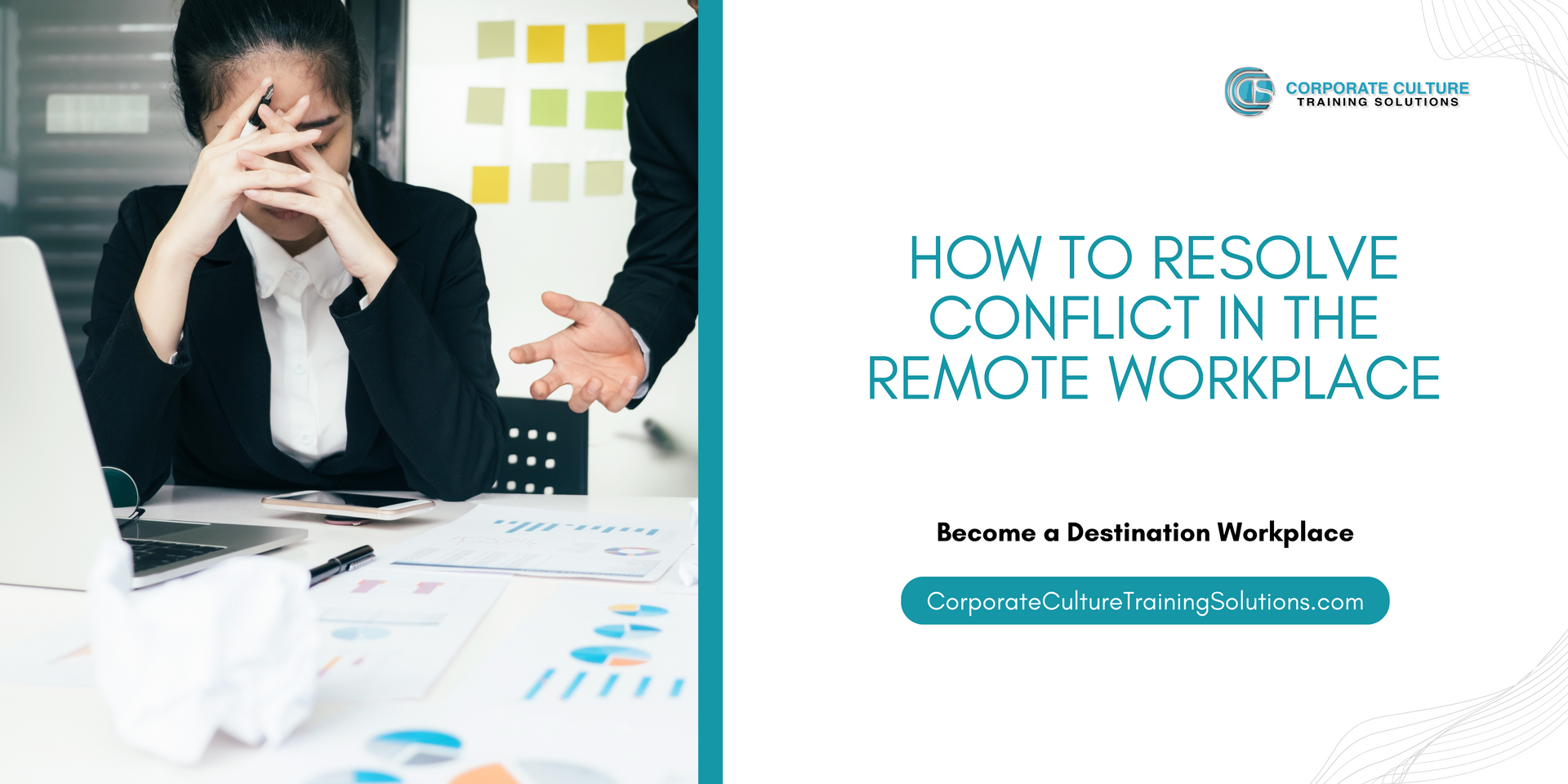
Remote work has become the new normal, and even though it has made some aspects of our lives easier, it’s also created new challenges for us in the workplace. Having to deal with conflict resolution between employees in a virtual environment changes everything for HR directors and managers. It requires new skills, strategies, and approaches to be effective. In this article, we'll be discussing the essential strategies needed for successful remote conflict resolution.
1. Set Guidelines and Expectations
It's vital to set clear guidelines and expectations for your remote team. This ensures that everyone is on the same page and knows what's required of them. Create a specific ‘virtual conflict resolution policy’ for everyone that outlines the exact protocol and steps to take in case of conflict. Ensure that all employees understand the policy and know who to contact when needed.
2. Encourage Communication
Clear communication is key to prevent misunderstandings that lead to conflict. Healthy communication is particularly important in a remote work environment where nonverbal cues are missed and communication is limited to instant messaging, emails, and virtual meetings. Ask questions, clarify instructions, and seek feedback from colleagues communicating frequently and effectively. Set up regular virtual meetings, team discussions, using communication channels like Slack, Microsoft Teams, or Zoom.
3. Allow for Flexibility
Remote working offers great benefits to employees, including flexibility. Set up specific processes that allow for flexible schedules and working arrangements to help avoid conflict. Not every employee is the same, and while flexi-work may work for some employees, it may not work as well for others, so factoring this into your new processes is vital for success.
4. Use Data and Statistics
Conflict resolution in a virtual environment requires a strategy that's based on cold hard data. Analyzing data and statistics can help you identify trends, patterns, and potential conflicts before they escalate. With collaboration tools and software like Asana, Jira, Trello, or other project management software, managers can track team performance and measure individual contributions.
5. Use Humor
Conflict resolution can be tense, stressful, and cause a lot of emotional turmoil for the involved parties, whether in a real time or virtual environment. It’s essential to be empathetic and to recognize the employees' emotions that are involved in the conflict. Lightening the mood with some humor can help to ease the tension and can help both parties to view the situation objectively, steering people towards a resolution.
With the right strategies, you can create a collaborative and productive virtual work environment that is positioned to prevent conflicts from escalating.
Creating a winning company culture takes effort, but it's well worth it. At CCTS, your company culture is our top priority. We help you become a
Destination Workplace™ so you can attract and retain top talent in a hyper-competitive marketplace. Contact us to learn about our
leadership development and
team-building programs!
The CCTS Team
Corporate Culture Training Solutions
About Betsy: Featured on FOX, CBS, NBC, and ABC, Betsy Allen-Manning is a high-energy leadership keynote speaker, high-performance expert, and workplace culture strategist who helps organizations develop world-class leaders, build high-performing teams, and create workplaces where people stay, grow, and thrive. She’s the creator of the DNA of Excellence™ keynote series: data-backed and highly interactive presentations that strengthen leadership behavior, elevate performance, and transform workplace culture. Betsy is also the founder of Destination Workplace™, an award-winning leadership training company in Dallas, known for advancing leadership excellence and transforming workplace culture for some of the world’s most elite brands.