
5 Best Practices for Communicating During a Crisis
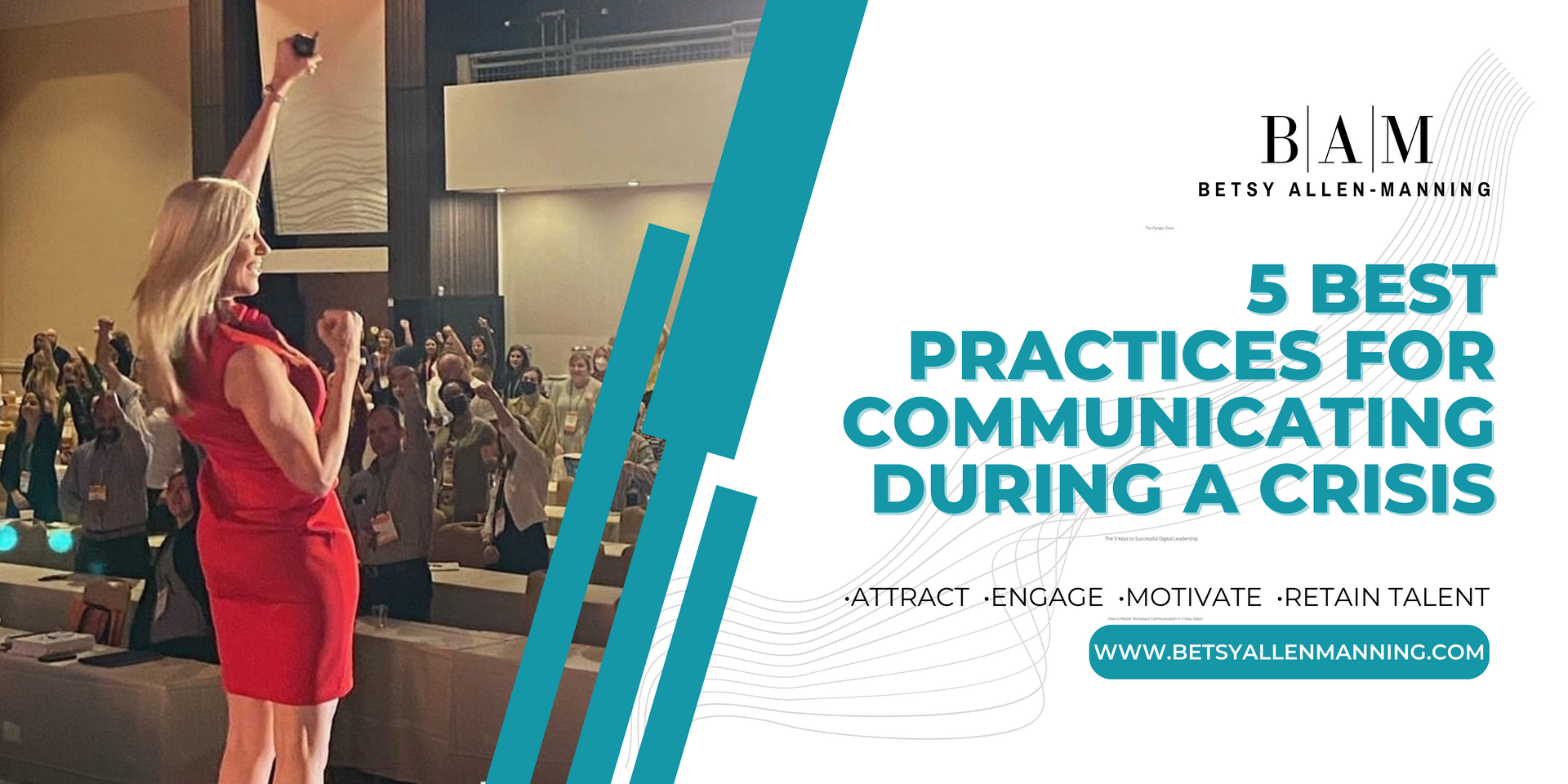
Crisis communication is a pivotal component of effective organizational management. It's not merely about navigating a crisis; it's about doing it with finesse while maintaining cohesion within your team. As a leader, it is your responsibility to keep your team informed, aligned and focused. Whether you are dealing with a global pandemic, a natural disaster, or an internal issue, keeping your team on track can mean the difference between success and failure. In this article, we will discuss 5 best practices for effective crisis communication, so that you can keep your team focused and productive during those challenging times.
1. Keep Your Team Informed
During a crisis, your team looks to you for guidance, leadership and reassurance. It is essential that you effectively communicate what is happening, what your plans are, and what actions you are taking. Regular communication can go a long way in reducing anxiety and uncertainty. Use multiple communication channels for outreach to your team: Slack, WhatsApp, Email, Instant Messaging, and Video conferencing to provide clear and concise information. Don’t forget to allow time for questions and feedback.
2. Be Transparent
Honesty and transparency are essential in crisis communication. Your team needs to trust you, and that trust can only be built through transparency and effective leadership. Be honest about what is happening, what the risks are, and what your plans are. Honesty and integrity will help you build trust with your team, and they will be more likely to follow your lead during a crisis.
3. Keep Your Message Consistent
Consistency is key in crisis communication. Ensure that everyone on your team is aware of the message you are conveying, and that everyone is on the same page. This will help to avoid confusion and mixed messages. Consistency will also help to build trust and confidence in your leadership abilities.
4. Provide Emotional Support
In a crisis, it is essential to acknowledge and address the emotional toll it can take on your team. Be sure to provide the support and reassurance they may need by acknowledging their fears, concerns, and stress. Consider an Employee Well-Being program to provide emotional support and help your team feel more valued and supported through a crisis.
5. Learn From Your Mistakes
It is important to learn from your mistakes. No matter how well you prepare, there will always be room for improvement in crisis communication. After a crisis is over, take the time to assess what worked well and what did not. Use this information to improve your crisis communication strategies for the future.
Crisis communication isn’t easy, but it’s essential for keeping your team informed and aligned during challenging times. It requires honesty, transparency, consistency, emotional support, and a willingness to learn from your mistakes. By following these tips and best practices, you can help your team navigate even the most challenging of crises with confidence and success to emerge from any crisis stronger and more united than before.
Creating a winning company culture takes effort, but it's well worth it. At
Corporate Culture Training Solutions, your company culture is our top priority. We help your leaders build an attractive, purpose-driven culture that people don’t want to leave. Contact us to learn about our leadership development and team-building programs, as well as our signature Leadership & Culture Shift program.
About Betsy: Featured on
FOX,
CBS,
NBC, and
ABC, Betsy Allen-Manning is a high-energy leadership keynote speaker, high-performance expert, and workplace culture strategist who helps organizations develop world-class leaders, build high-performing teams, and create workplaces where people stay, grow, and thrive. She’s the creator of the DNA of Excellence™ keynote series: data-backed and highly interactive presentations that strengthen leadership behavior, elevate performance, and transform workplace culture. Betsy is also the founder of Destination Workplace™, an award-winning leadership training company in Dallas, known for advancing leadership excellence and transforming workplace culture for some of the world’s most elite brands.